%2Ffit-in%2F250x250%2Fguide_websites%2F14265%2Fimages%2F1748261608023download1.jpeg&w=1920&q=100)
//users/6bfb7d66-83c1-473a-98ae-3cc0c9a03298/ratecard/image1-mn35v6fq.jpg)
%2Ffit-in%2F300x300%2Fusers%2F6bfb7d66-83c1-473a-98ae-3cc0c9a03298%2Fratecard%2Fimage1-mn35v6fq.jpg&w=256&q=75)
%2F300x300%2Fusers%2F6bfb7d66-83c1-473a-98ae-3cc0c9a03298%2Fimages%2Fvermilion-rockfish-cohoe-aquarium-tank-9173.png&w=256&q=75)
%2F300x300%2Fusers%2F6bfb7d66-83c1-473a-98ae-3cc0c9a03298%2Fimages%2Fgoldfish-swimming-cohoe-waters-fishing-11516.png&w=256&q=75)
%2F300x300%2Fusers%2F6bfb7d66-83c1-473a-98ae-3cc0c9a03298%2Fimages%2Fcolorful-goldfish-cohoe-waters-9618.png&w=256&q=75)
%2F300x300%2Fusers%2F6bfb7d66-83c1-473a-98ae-3cc0c9a03298%2Fimages%2Fclownfish-swimming-cohoe-aquarium-7908.png&w=256&q=75)
%2F300x300%2Fusers%2F6bfb7d66-83c1-473a-98ae-3cc0c9a03298%2Fimages%2Fcarp-catch-cohoe-fishing-3788.png&w=256&q=75)
%2F300x300%2Fusers%2F6bfb7d66-83c1-473a-98ae-3cc0c9a03298%2Fimages%2Fcohoe-winter-wonderland-3148.jpg&w=256&q=75)
%2F300x300%2Fusers%2F6bfb7d66-83c1-473a-98ae-3cc0c9a03298%2Fimages%2F1764670032782boat2-miofjco0.jpg&w=256&q=75)
%2F300x300%2Fusers%2F6bfb7d66-83c1-473a-98ae-3cc0c9a03298%2Fimages%2Fthrilling-snow-sports-ak-3210.jpg&w=256&q=75)
%2F300x300%2Fusers%2F6bfb7d66-83c1-473a-98ae-3cc0c9a03298%2Fimages%2Fbreathtaking-ak-winter-escapade-2965.jpg&w=256&q=75)
%2F300x300%2Fusers%2F6bfb7d66-83c1-473a-98ae-3cc0c9a03298%2Fimages%2Falaskan-wilderness-adventures-2395.jpg&w=256&q=75)
Private Duck Hunting Forney TX Early Bird
 Cohoe, AK
What you will be catching:
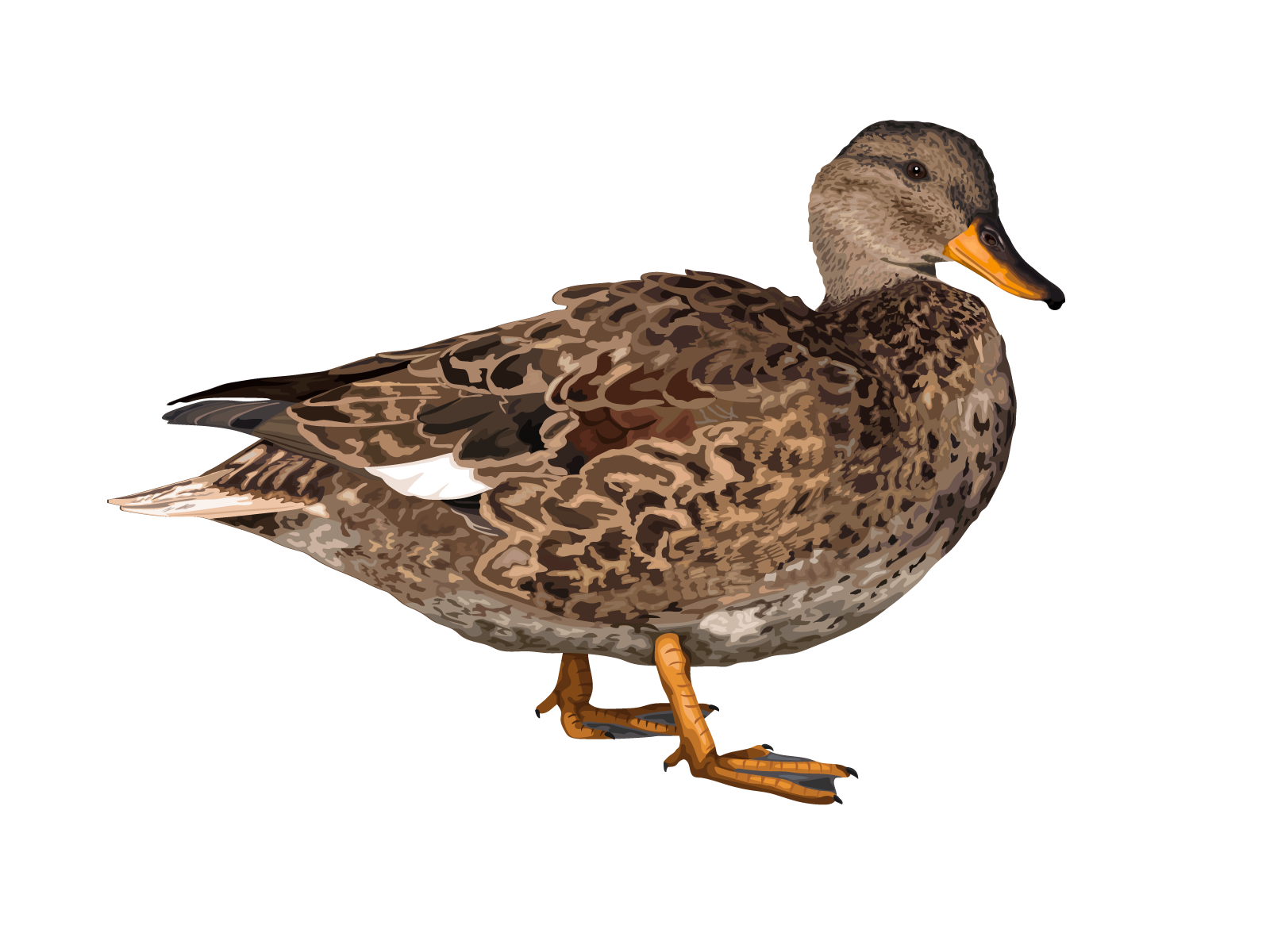 Gadwell Duck
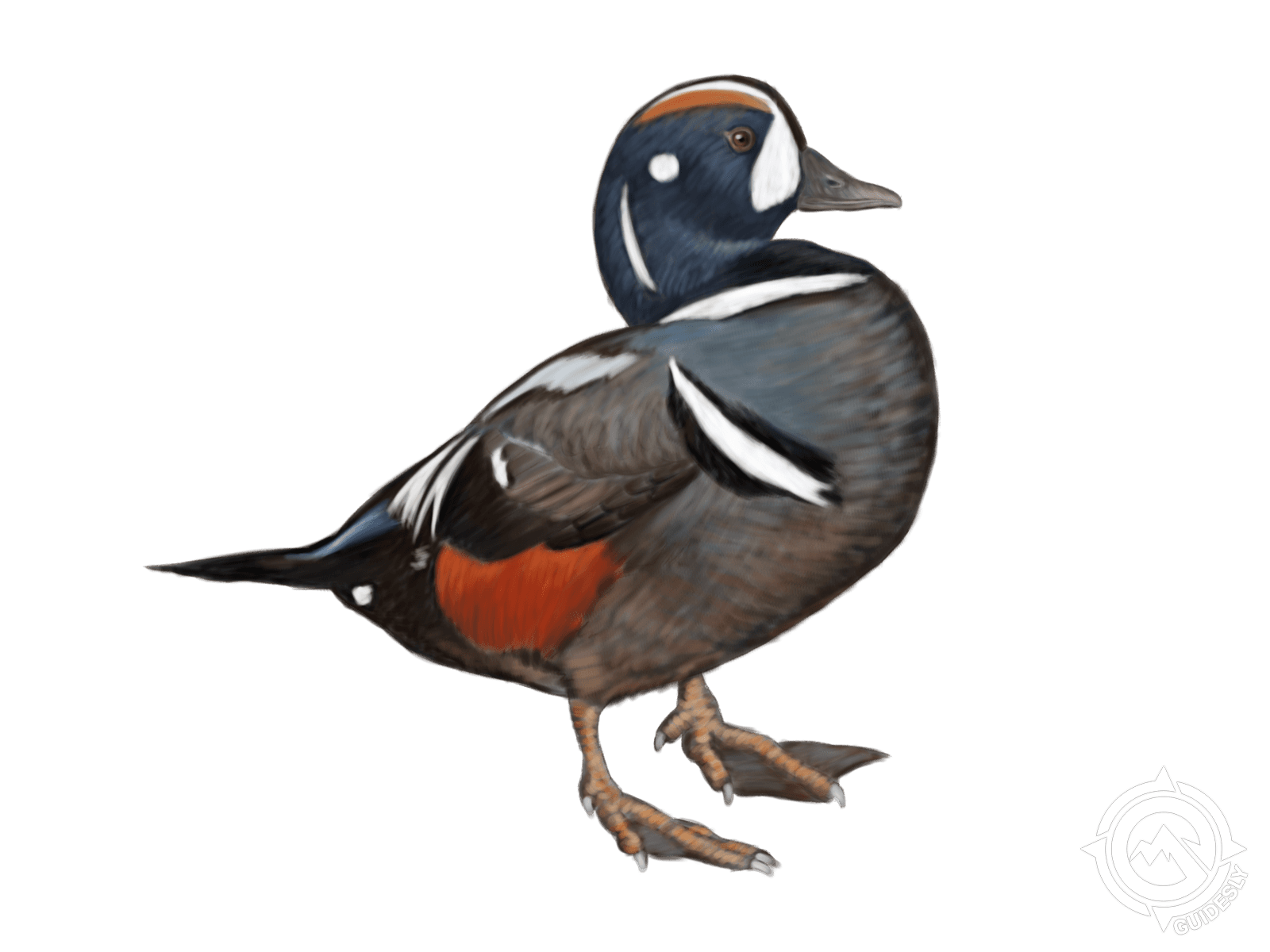
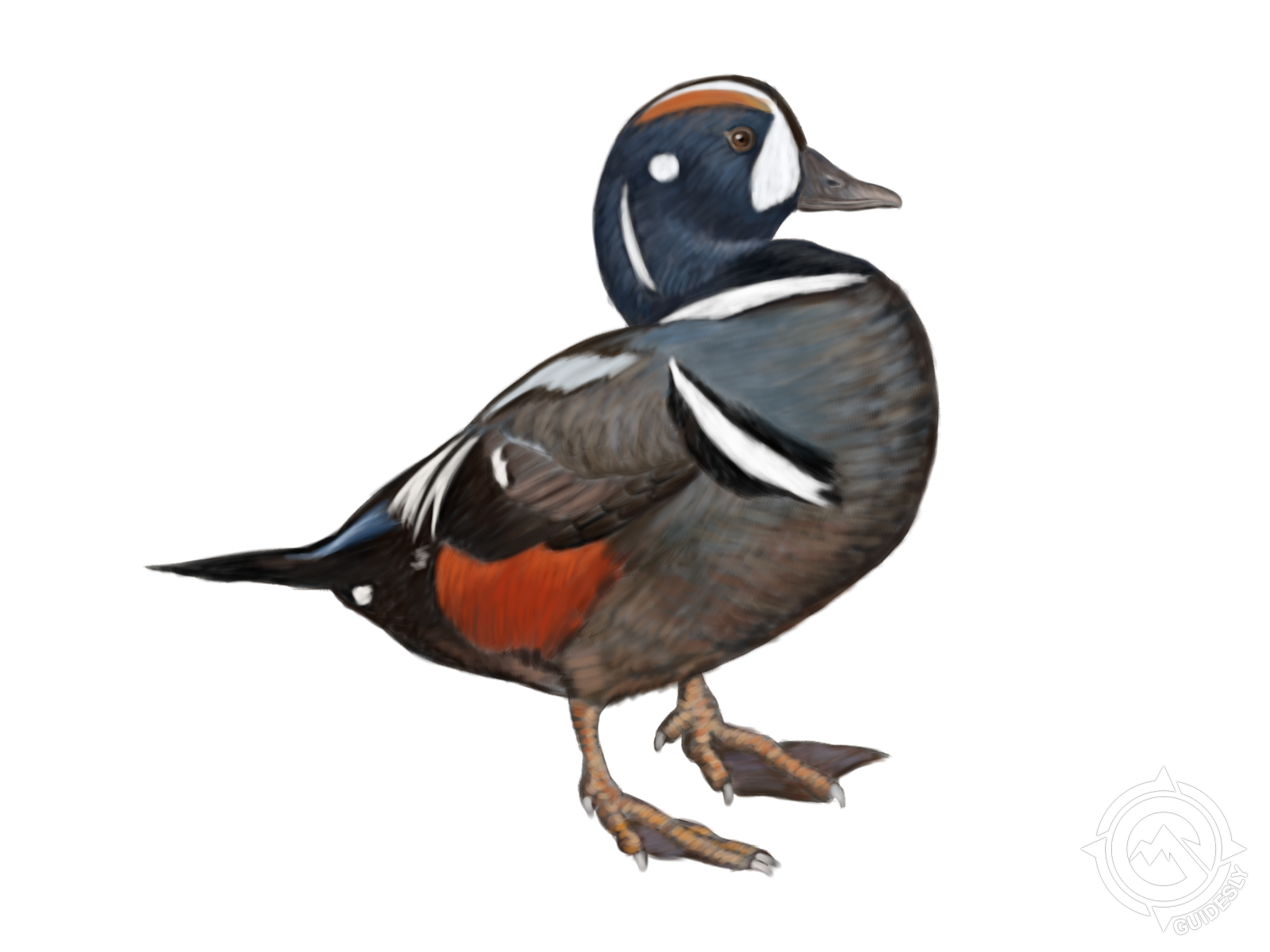 Harlequin Duck
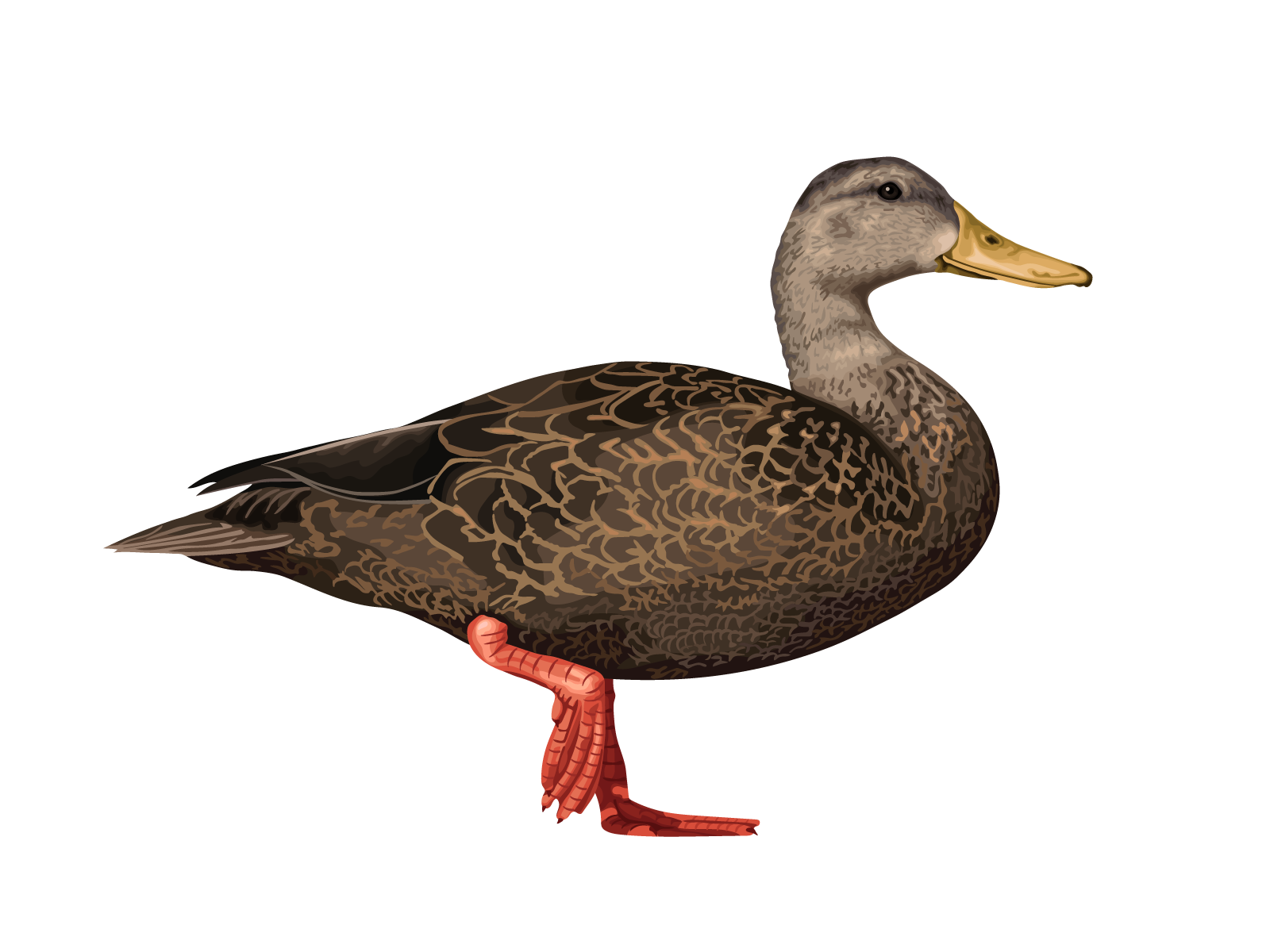 Mottled Duck
- Private land waterfowl hunting on exclusive Forney pond
- All equipment provided except shotgun and ammunition
- Available November 8-December and December 20-January 26
Trip Pricing and Availabilities :
Private Duck Hunting on Premium Texas Ponds
Looking for a top-rated duck hunting experience that gets you away from the crowded public lands? Early Bird Outfitter has you covered with exclusive access to private ponds near Forney, Texas. This isn't your typical shoot-and-hope setup – you're getting a guided hunt from someone who knows these waters like the back of his hand and bags birds all season long. With decoys, blinds, and bird cleaning all included, you just need to bring your shotgun and be ready for some quality waterfowl action.
Inside the Hunt
This is strictly private land hunting, which means no fighting for spots or dealing with other hunters showing up at your favorite hole. You'll be hunting productive ponds that hold birds throughout the season, and your guide specializes in waterfowl with years of experience reading these specific waters. The setup is professional – comfortable chairs, well-placed blinds, and decoy spreads that actually work. Bird cleaning is handled for you, so you can focus on the shooting and leave with ready-to-cook birds. This is a single-hunter experience, so you get personalized attention and coaching on techniques that make private pond hunting successful. The season runs November 8th through December, then reopens December 20th through January 26th, giving you prime opportunities during peak migration periods.
Tracking Tips & Terrain
Private pond hunting requires different tactics than big water or public marsh hunting, and that's where this guide's expertise really shows. You'll learn positioning techniques specific to smaller water bodies, decoy placement that draws birds into shooting range, and calling strategies that work on pressured waterfowl. The ponds near Forney sit in prime flyway territory, and understanding wind direction, weather patterns, and daily bird movement makes all the difference between going home empty-handed or filling your limit. Your guide will walk you through reading water conditions, identifying productive feeding areas, and timing your shots for clean kills. Come prepared with 1-2 boxes of shells and your favorite shotgun – everything else is provided. Remember, you'll need a valid hunting license ($25), migratory bird stamp ($25), and completion of hunter education course. Youth licenses run $7 plus the $25 duck stamp.
Target Game Breakdown
Gadwall ducks are one of the smartest birds you'll encounter on these private ponds. These medium-sized dabbling ducks are incredibly wary and will test every bit of your calling and concealment skills. Gadwalls typically weigh 1.5 to 2 pounds and have a distinctive chestnut wing patch that flashes when they bank into your decoys. They're most active during early morning and late afternoon, often feeding in shallow water areas where they can tip forward to reach submerged vegetation. What makes gadwalls exciting to hunt is their unpredictable flight patterns – they'll circle your setup multiple times, testing for danger before committing to land. When they do decide to come in, they drop fast and provide challenging shots that separate good shooters from great ones.
Mottled ducks bring a different challenge entirely and are considered by many Texas hunters as the ultimate prize bird. These year-round residents don't migrate like other ducks, so they know every trick in the book and have seen every decoy spread imaginable. Mottled ducks are similar in size to mallards but with mottled brown plumage that provides perfect camouflage in Texas coastal marshes and inland ponds. They're most active during cooler parts of the day and prefer shallow, weedy areas where they can feed on seeds and small invertebrates. The real excitement with mottled ducks comes from their wariness – they'll often land just outside shooting range and swim around studying your setup before either committing or flaring off. Successfully bagging a mottled duck means you've mastered concealment, calling, and patience.
Harlequin ducks are the wild card species that can show up when conditions are just right, and spotting one is like finding waterfowl gold. These compact diving ducks are strikingly beautiful, with males displaying bold white stripes and patches against dark plumage that looks almost painted on. Harlequins are much smaller than dabbling ducks, typically weighing just over a pound, but what they lack in size they make up for in speed and agility. They're excellent divers and prefer deeper water areas where they can pursue small fish and crustaceans. Harlequin ducks are incredibly fast fliers, often staying low to the water and making quick, erratic turns that challenge even experienced shooters. Finding harlequins on inland Texas ponds is relatively rare, making any encounter with these birds a memorable highlight of the hunting season.
Book Your Next Tag
This private land duck hunting experience offers something you won't find on public waters – personalized instruction, proven hunting spots, and the peace of mind that comes with hunting exclusive access areas. With all equipment provided except your gun and shells, plus professional bird cleaning included, you're getting tremendous value for a world-class waterfowl hunt. The guide's guarantee is simple: if you get shooting opportunities, you pay; if the birds don't cooperate, you reschedule for better conditions. That's the kind of confidence that comes from years of successful hunts on these same ponds. Don't miss out on this limited offer – prime dates fill up fast during peak season, and with only single-hunter bookings available, spots are extremely limited. Contact Early Bird Outfitter today to secure your private pond duck hunting adventure and experience the difference that exclusive access and expert guiding can make.
Learn more about the animals
Gadwell Duck
Gadwells are medium-sized ducks, about 20 inches long, known for their subtle brown and gray plumage that makes them masters of camouflage. These birds love shallow ponds and marsh edges where they can tip forward to feed on aquatic plants and seeds. Around Forney, we see good numbers during our November and late December seasons, especially when weather fronts push birds down from the north. What makes gadwells special is their quiet nature - they're not as vocal as other species, so you need to watch for movement. They decoy well but can be picky about landing zones. My go-to tip: set your decoys in the shallows near vegetation edges. Gadwells prefer about 1-2 feet of water where they can easily feed. They make excellent table fare too, with a mild flavor that even non-duck eaters enjoy.

Harlequin Duck
Harlequin ducks are extremely rare visitors to Texas, making any sighting special during our hunts. These small, compact ducks are more at home in rocky coastal waters and fast-moving mountain streams than our East Texas ponds. Males display striking white stripes and spots against blue-gray plumage, while females show a more muted brown pattern. If you're lucky enough to spot one on our property, it's likely a lost bird during migration. They're strong swimmers and divers, preferring deeper water than most pond ducks. Harlequins feed on aquatic insects and small crustaceans by diving underwater. Honestly, you're more likely to see them as a once-in-a-lifetime surprise than a regular target species. Their rarity makes them a trophy sighting rather than a huntable population. If we do encounter one, consider it a bonus highlight of your hunt and maybe just enjoy watching this unusual visitor.
Mottled Duck
Mottled ducks are year-round Texas residents, making them a reliable target on our private ponds. These medium-sized birds look similar to female mallards but have darker bodies with distinctive blue wing patches. Unlike migratory species, mottled ducks stay put, so they know every inch of local water and can be challenging to fool. They prefer shallow areas with good cover, often feeding in 6-12 inches of water around cattails and grass edges. Since they're non-migratory, we can hunt them throughout both our November and late December seasons. What hunters love about mottled ducks is the challenge - they're smart, wary birds that test your calling and setup skills. For success on our ponds, patience is key. These birds will circle multiple times before committing, so keep still and let them work the decoys.